
Automatic Concrete Brick Press
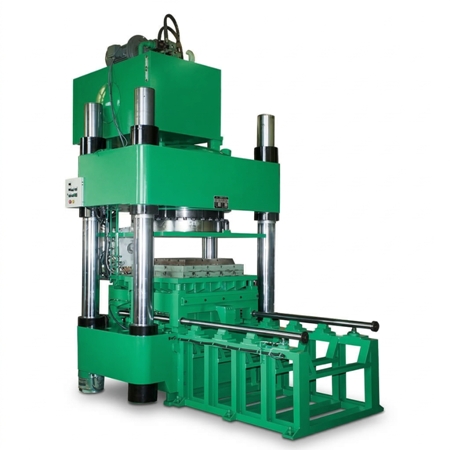
Han Chang’s Automatic Concrete Brick Press uses hydraulic pressure to form cement-and-aggregate mixtures into concrete bricks, paving blocks and masonry blocks. Material is filled into the mold, pressed and held under pressure, then released through mold opening and demolding for removal. Applications include permeable pavers, landscape bricks and industrial floor bricks.
Machine advantages
Hydraulic pressing and pressure holding support consistent thickness and density. A worktable and cavity layout matched to the mold, together with a suitable demolding arrangement, keep forming and removal connected. For a new brick-forming station or a pressing-equipment upgrade, choose Han Chang for a configuration built around your products and production needs.
Hydraulic pressing for consistent brick quality
The pressing and pressure-holding stages support brick thickness and density control. Matching these stages to mix moisture, fill quantity and tooling gives manufacturers a practical basis for repeatable forming and consistent product quality.
Make the press area work for your products
The worktable and mold layout can be planned around brick dimensions, cavity count and filling arrangements. This puts usable pressing space to work on the bricks and pavers you manufacture, helping improve production efficiency.
Connect forming with effective demolding
Brick edges need attention after pressing as well as during forming. Mold opening, demolding and removal arrangements are considered with brick thickness and tool geometry to support edge integrity and a smoother flow through the forming station.
Filling, pressing and demolding
Fill the brick mold
Fill the prepared cement, concrete and aggregate mix into the mold. Match the fill quantity and moisture condition to the brick being formed.
Press and hold
Hydraulic force compresses the material in the mold. Pressure holding is arranged around the mixture and product requirements to form the intended thickness and profile.
Open, demold and remove
After pressing, open the mold and proceed with demolding and product removal. The release arrangement follows the brick shape and tooling.
Concrete mixes and brick applications
Brick-making materials
Cement and concrete brick mixes
Cement-and-aggregate mixtures are formed by hydraulic pressing. Aggregate proportions, moisture and fill quantity are important inputs when matching the forming conditions to brick thickness, density and appearance.
Brick mixes containing recycled material
Recycled material can be included in the brick-mix planning. The actual mixture, moisture condition and intended brick type guide the tooling and pressing arrangement, connecting feedstock use with a defined product.
Brick quality depends on the combination of mix design, filling, compaction and subsequent curing. Permeable pavers and conventional road pavers require different material and forming choices; finished-product strength and permeability are established through testing of the actual bricks.
Brick and paving applications
Cement bricks and masonry blocks | Building products
The press serves the forming stage for cement bricks and wall masonry blocks. Brick dimensions and cavity layout define the tooling arrangement, supporting repeatable production of the intended building product.
Permeable pavers and road paving blocks | Outdoor paving
Produce paving units with the thickness and profile defined by the mold and product design. Mix selection supports the intended paving application, while suitable demolding helps retain edges as the blocks leave the tool. These are practical priorities when choosing a hydraulic paver block making machine.
Landscape and industrial floor bricks | Site-specific paving
Landscape bricks connect product shape with paving layouts, while industrial floor bricks are selected around their intended use. Matching the mold and mixture to each product gives these applications a clear hydraulic forming stage.
Machine and selection information
Compare a concrete brick making machine around the bricks or blocks you plan to produce. This selection table connects the product and mixture with tooling, pressing requirements and working space.
| Selection item | Selection considerations |
|---|---|
| Brick geometry | End use, length, width, thickness and profile. |
| Mix conditions | Cement and aggregate proportions, moisture and recycled-material content. |
| Mold and cavities | Tool footprint, height, weight and cavity layout. |
| Worktable and pressing | Tool area, brick geometry, required pressing force and pressure holding. |
| Opening and handling | Daylight, stroke, filling and removal arrangements, and required automation scope. |
Start with a brick photo or drawing and approximate dimensions. If you already have tooling or a proposed mixture, include those details so Han Chang can discuss a suitable press configuration and quotation with you.
Brick dimensions, molds and production layout
Mold footprint, height and weight affect the space needed around the tool. Matching the worktable, daylight and stroke to the mold, with room for filling, removal and maintenance, makes the press more practical for regular production and brick-type changes.
Record fill quantity, pressing force and holding time alongside brick thickness, density, edge condition and demolding results to identify useful adjustments. Where finished-product trials are required, agree on the molds, materials and acceptance scope when ordering.
Buyer questions
What products can the Automatic Concrete Brick Press make?
Han Chang’s press forms cement bricks, permeable pavers, road paving blocks, landscape bricks, wall masonry blocks and industrial floor bricks. Each application is matched to its brick mixture, mold and hydraulic pressing conditions.
How does hydraulic pressing help brick quality?
Hydraulic pressing and pressure holding support control of brick thickness and density. Suitable mix moisture, fill quantity and tooling work with the press, while demolding arrangements help maintain edge integrity. Together, these support consistent quality and efficient production.
What should I compare when buying a paver block making machine?
Compare the intended paver dimensions and mixture first, then mold footprint, cavity count, worktable space and pressing requirements. Include filling and demolding arrangements so the equipment choice fits the complete forming job, not just the nominal size of the press.
Can the press use brick mixes containing recycled material?
Brick-forming mixtures containing recycled material can be considered for production. The actual recycled content, cement and aggregate proportions, moisture and intended product guide the mold and pressing arrangement.
How does cavity count affect concrete block machine selection?
Cavity count and layout affect mold footprint and the quantity of product in a pressing operation. They also influence filling and removal arrangements. Match the complete tool, mixture and brick geometry with worktable space and pressing-force requirements when selecting equipment.
What determines the price of a concrete brick press?
Brick dimensions, mold cavity layout, worktable requirements and the specified automation scope are key quotation factors. Demolding and handling arrangements also shape the configuration. Send Han Chang a brick photo or drawing with approximate dimensions to start an RFQ and compare the equipment on a clear, product-specific basis.
Choose a press for the bricks and pavers you make
Send Han Chang your brick or block drawing to discuss hydraulic forming, press selection and an equipment quotation.
Reference videos and further reading
- Hydraulic deep drawing press
- Automatic hydraulic straightening press
- Large single-cylinder hot compression molding press
- Large twin-cylinder hot compression molding press
- Three-cylinder long-platen hot press
- Double-cylinder long-platen hot press
- Rubber Compression Molding Machine
- Guarded hot compression molding press
- Reference video: molding equipment ready to ship
- Reference video: Han Chang factory and equipment introduction
- Reference video: molding machine parts