
Rubber Compression Molding Machine
Han Chang manufactures this hydraulic rubber molding machine, which combines hot compression molding and curing with upper and lower demolding functions for small rubber and solid silicone parts. Applications include O-rings, molded gaskets, cable grommets, protective caps, rubber feet and silicone keypads.
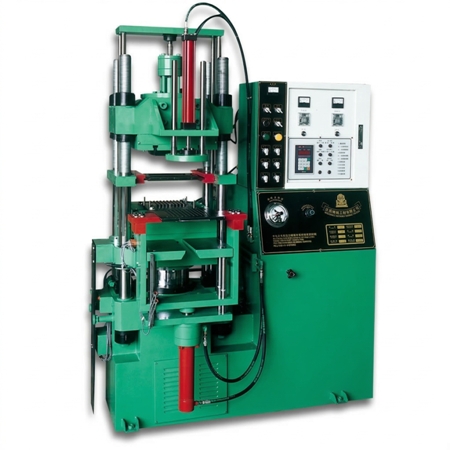
Machine advantages
The two demolding functions help accommodate different mold-release and part-removal arrangements. For small-component manufacturers, matching the press to the mold supports smoother handling, consistent quality and more efficient production.
Practical part release for different molds
Upper and lower demolding functions help match the press to where a mold retains its parts and how they are released. This gives manufacturers a useful handling advantage when selecting equipment for small components, alongside the required tonnage and mold space.
Rubber and solid silicone on one press
The machine supports both rubber and solid silicone compression molding, covering industrial gaskets, grommets, cushioning parts and flexible keypad bodies. Matching tooling and cure conditions to each compound gives the factory flexibility to handle different small-component orders.
Support consistent quality from molding to removal
Charge preparation, cavity filling and curing establish the part’s shape; suitable release handling helps preserve it. Bringing these stages together supports consistent quality and improves production efficiency, with smoother coordination between molding, removal and finishing.
Compression molding and demolding
Prepare the compound
Weigh and cut or preform uncured rubber or solid silicone into charges suited to the part and cavity layout.
Load the open mold manually
The operator places the prepared charges directly into the open product mold, positioning material for the individual cavities.
Close, press and cure
Heat and pressure make the compound flow into the cavities and cure to shape. Cure temperature and holding time follow the compound requirements and part section thickness.
Open and remove the parts
After molding, open the mold and use the upper or lower demolding function as appropriate to the tooling arrangement. The operator removes the molded parts.
Trim and inspect
Remove flash as required and check appearance, dimensions and function. Any compound-specific post-curing is a separate finishing requirement.
Materials and small-product applications
Molding materials
NBR / nitrile rubber
A common choice for small seals and O-rings in contact with mineral oils, including equipment fittings and connections. Select the grade around the actual fluid and operating temperature.
EPDM rubber
Useful for weather-exposed grommets, protective covers and gaskets where ozone resistance matters, as well as suitable water-contact applications. Petroleum-oil exposure calls for a compatible alternative.
NR and SBR rubber
Natural rubber offers useful resilience for small cushioning parts; SBR is used for general-purpose wear pads and feet. Applications include appliance supports, furniture contact pads and mechanical buffers.
FKM rubber
Used for small industrial seals requiring heat and chemical resistance, such as fitting seals and valve-body gaskets. Select the compound grade for the actual fluid and service conditions.
Solid silicone rubber / HCR
Compression-molding grades of high-consistency silicone rubber can form keypad bodies, flexible sealing gaskets and protective plugs. Choose the compound around flexibility, rebound and tear-strength requirements.
Choose compression-molding grades with the hardness and cure system suited to the product. Match tooling, heating and pressing conditions to the selected compound and its processing requirements.
Small rubber and silicone products
O-rings and molded gaskets for equipment sealing
Small O-rings serve pneumatic fittings, valve bodies and equipment connections; molded gaskets seal mating surfaces such as pump covers and instrument housings. Ring sections and thin edges benefit from suitable support during removal. Upper and lower demolding functions help match part release to the mold’s retention and removal arrangement.
Cable grommets for panels and electrical enclosures
Rubber grommets protect wires passing through sheet-metal panels, control cabinets and appliance housings from rubbing against sharp hole edges. A central bore allows cable passage, while a retaining groove holds the grommet in the panel opening—a practical molded component for electrical and equipment assemblies.
Dust caps and plugs for ports and openings
Molded caps protect equipment connections, while plugs close unused housing holes or protect tube ends during handling and transport. Cap rims, sealing lips and hollow sections influence the part’s release path. Upper or lower demolding can be incorporated into the tooling discussion to support practical removal without concentrating handling force on delicate edges.
Rubber feet and buffers for appliances and instruments
Small molded feet support countertop appliances, electronic instruments and equipment housings, while buffers cushion cabinet doors or moving mechanisms against hard contact. Rubber or silicone compounds can be selected for the required hardness, rebound and contact environment, with flat, raised or push-in shapes formed by the mold.
Solid silicone keypads for control interfaces
Compression-molded HCR silicone forms flexible key bodies and keypad mats for remote controls, appliance panels and industrial interfaces. The upper and lower demolding functions can work with the tool’s release arrangement to support removal of thin webs and connecting membranes. Conductive contacts, printing and surface finishes are arranged separately according to the keypad design.
Machine and selection information
A useful press specification starts with the part and its mold. Compare pressing requirements, mold accommodation and part removal together to define equipment that fits the production task.
| Specification | Selection considerations |
|---|---|
| Press tonnage | Based on the compound’s molding pressure, total projected cavity area and tooling structure. |
| Platen and mold space | Matched to mold footprint, thickness, mounting arrangement and heating requirements. |
| Opening and removal clearance | Allow for mold opening, the part’s release path and operator access. |
| Upper / lower demolding | Consider part retention, release direction and the mold’s demolding interface. |
| Production planning | Account for cavity count, charging, cure time, removal and trimming. |
You do not need a finished press specification to begin. Send an available part drawing or photo with the material and approximate dimensions. For an existing tool, mold dimensions and photos showing how it opens make the discussion more useful.
Built around your mold and production
Describe where the parts remain after opening, how they are removed today and which handling step you want to improve. That information helps connect the upper and lower demolding functions to a real tooling requirement.
Begin with the end use: sealing an oil connection, protecting a cable, supporting an appliance or creating a tactile keypad. The service environment and required part behavior help frame material, tooling and press selection.
Send the available drawing or sample photo, compound type and planned output. Add cavity count, mold details and factory electrical requirements where available so the quotation discussion covers the production setup, not tonnage alone.
Buyer questions
What is this rubber compression molding machine designed for?
Han Chang’s press makes small rubber and solid silicone molded components and has upper demolding and lower demolding functions. Typical applications include O-rings, gaskets, cable grommets, caps, plugs, feet, buffers and silicone keypads, with tooling matched to the product and its release requirements.
Why compare upper and lower demolding when buying a press?
Upper and lower demolding functions help accommodate different mold-release requirements. Compare the mold’s part-retention position, release direction and removal clearance alongside the pressing requirements. This helps make everyday part removal more practical and supports consistent handling of small molded components.
Can the machine compression mold solid silicone rubber?
Yes. The machine supports rubber and solid silicone compounds. HCR silicone is loaded as a solid charge and cured under heat and pressure to produce components such as gaskets and keypad bodies. The compound’s hardness, cure system and processing requirements guide the molding conditions.
What does a rubber vulcanizing press do in compression molding?
A rubber vulcanizing press applies heat and pressure to cure the rubber while the mold defines the part shape. This machine combines that compression-molding process with upper and lower demolding functions for small rubber and solid silicone components. Mold space, pressing requirements and part release are useful points to compare when choosing equipment.
How do I compare compression molding with injection molding?
Compression molding starts with prepared compound placed directly into an open mold. Injection molding feeds material into an already closed mold. Compare tooling investment, compound suitability, part geometry and planned volume, then include the labor and time required for loading, removal and finishing in the production-cost comparison.
What determines press tonnage and production output?
Tonnage depends on molding pressure, total projected cavity area and tooling structure—not the size of one part alone. Output also depends on cavity count, charge preparation, cure time, removal and trimming. Matching the mold and demolding arrangement helps keep these operations coordinated for consistent quality and efficient production.
What information is needed for a machine quotation?
Start with a part drawing or photo, material and planned production volume. If a mold already exists, include its dimensions, cavity count and current removal method. Pressing requirements, heating, mold accommodation and demolding compatibility help define the equipment scope and quotation.
Choose a rubber compression molding press for your small parts
Send Han Chang your rubber or solid silicone part drawing or photo. Tell us the material, intended use and planned output, and we can discuss a press that fits your molding and part-removal needs. Existing mold dimensions and opening photos are welcome when requesting a quotation.
Reference videos and further reading
- Large twin-cylinder hot compression molding press
- Large single-cylinder hot compression molding press
- Three-cylinder long-platen hot press
- Double-cylinder long-platen hot press
- Guarded hot compression molding press
- Reference video: molding equipment ready to ship
- Reference video: Han Chang factory and equipment introduction
- Reference video: molding machine parts