
Rubber and Silicone Flash Trimming Press
Han Chang’s Rubber and Silicone Flash Trimming Press is a hydraulic rubber trimming machine that removes excess flash from rubber and silicone films and molded parts. An operator loads the workpiece, hydraulic force drives a cutting die downward to trim the required profile, and the operator removes the part by hand.
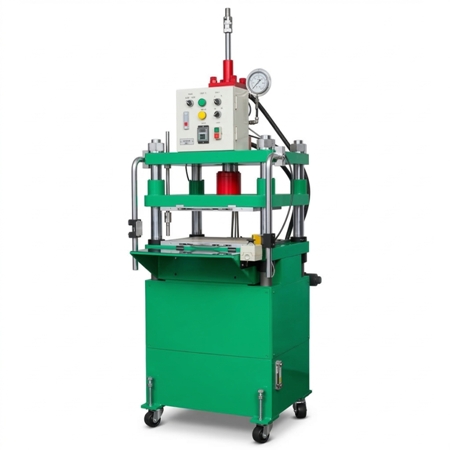
Machine advantages
For manufacturers repeatedly hand-trimming the same part, this hydraulic rubber trimming press is a practical step toward more consistent edges and less individual hand finishing. Its straightforward loading and removal stages help improve finishing efficiency while keeping attention on part placement and inspection.
A defined trim profile for more consistent edges
A cutting die establishes the trim line for repeated parts, reducing the variation of hand-following each edge. This gives rubber and silicone manufacturers a clear basis for consistent finishing and visual inspection.
Less individual hand trimming
Hydraulic die trimming takes over the cutting action that would otherwise require repeated manual snipping along the edge. Where flash removal holds up post-molding work, the press offers a direct way to reduce hand-finishing effort and improve efficiency.
A workflow operators can follow clearly
Load the part, trim with the die, then remove it by hand. These distinct stages make it straightforward to organize incoming parts, handling and finished-edge inspection around the actual job.
Die trimming and manual operation
Load the workpiece by hand
The operator positions the rubber or silicone film or molded part so that the excess edge material aligns with the cutting die.
Trim with hydraulic die pressure
The hydraulic drive moves the die downward, cutting away excess rubber or silicone at the intended trim locations.
Remove and inspect
The operator removes the trimmed part, clears the cut-off flash and checks the finished edges before further finishing or packing.
Materials and trimming applications
Applicable materials
Rubber films and molded parts
The press handles flash trimming on rubber films and molded products. Matching the die to the required part outline turns repeated edge finishing into a defined cutting operation.
Silicone films and molded products
Silicone films, thin molded pieces and flat pads offer useful trimming applications. A die follows the required edge profile to remove excess material and simplify inspection and preparation for assembly.
Material thickness, hardness and elasticity guide the choice of cutting edge and workpiece support. The required edge finish provides the reference for inspecting trimmed parts.
Rubber and silicone trimming applications
Rubber and silicone films | Perimeter trimming
Film and thin-section molded products often need excess material removed around their outline. Die trimming defines that perimeter and reduces the repeated hand cutting involved in finishing the same shape.
Flat sealing gaskets and pads | Post-molding edge finishing
Flat rubber and silicone sealing gaskets and pads are practical applications for die-based trimming. Removing molding flash along an accessible flat profile produces a neater edge for subsequent inspection and assembly preparation.
Silicone feet and plugs | Trimming molded flash
Molded silicone feet, protective pads and plugs can be die-trimmed where the perimeter flash is accessible to the cutting tool. For repeat jobs, the die provides a consistent trim profile and reduces the need to follow each part edge by hand.
Machine and selection information
Select a rubber flash trimming machine around the actual flash location, cutting die and handling space. The following comparison points connect press selection with the parts you need to finish.
| Specification | Selection considerations |
|---|---|
| Workpiece and flash | Material, thickness, hardness, flash location and required edge finish. |
| Die and part support | Trim profile, cutting-edge access, placement and support of the workpiece. |
| Cutting force | Material cutting behavior, total trim length and die construction considered together. |
| Working space | Die footprint and height, downward cutting clearance and access for manual handling. |
| Operating requirement | Loading, trimming, removal and inspection included in the workload. |
Start with a photo showing the flash or a part drawing. Curved profiles, undercuts and internal openings need tooling access and support suited to the part; the workpiece and die determine whether trimming takes more than one operation.
Flash, cutting die and product requirements
Choose a frequently repeated film or molded part and compare its current hand-trimming work with die trimming, loading and inspection. This keeps the investment focused on a concrete finishing task rather than the press alone.
A clearly defined trim line, a sound die edge and suitable workpiece support help limit misplaced cuts and edge distortion. Inspect the finished outline, remaining flash and part surface to keep daily quality checks focused.
Buyer questions
What does the Rubber and Silicone Flash Trimming Press do?
Han Chang’s press removes excess flash from rubber and silicone films and molded parts. The operator loads the workpiece, a hydraulically driven cutting die moves downward to trim the required profile, and the operator removes the part manually. It is a practical choice for repeated post-molding trimming jobs.
Can the press trim both rubber and silicone?
Yes. The press is used for flash trimming on rubber and silicone films and finished molded products. Material thickness, hardness and elasticity help determine the cutting edge and workpiece support for each job.
How do I match a cutting die to my part?
Base the die on the finished outline and the flash that needs removing, together with the way the part is positioned and supported. A photo of the untrimmed part and a finished-part drawing make the trim locations, tooling space and cutting-force requirements easier to discuss.
Is loading and unloading manual?
Yes. An operator loads the workpiece and removes it after the hydraulic die-trimming action. Loading, cutting and inspection remain clear stages for arranging the workstation and daily handling.
Which products are useful applications for die trimming?
Rubber and silicone films, flat sealing gaskets and pads are useful starting points, along with accessible perimeter flash on molded silicone feet and plugs. The purpose is to remove excess material at the required profile, reduce repeated hand trimming and make edge finishing more consistent.
What should I include in an RFQ for a trimming press?
Send Han Chang a photo showing the flash or a part drawing, the material and approximate dimensions. If a die already exists, include its footprint and height. Your current trimming method and expected workload help define the press requirements and quotation scope.
Make repeat trimming more straightforward
Send Han Chang a photo of your rubber or silicone part with its flash intact. Let’s discuss die trimming and a press quotation.
Reference videos and further reading
- Rubber tile hydraulic press
- Hydraulic deep drawing press
- Large single-cylinder hot compression molding press
- Large twin-cylinder hot compression molding press
- Three-cylinder long-platen hot press
- Double-cylinder long-platen hot press
- Guarded hot compression molding press
- Reference video: molding equipment ready to ship
- Reference video: Han Chang factory and equipment introduction
- Reference video: molding machine parts