
Rubber Tile Hydraulic Press
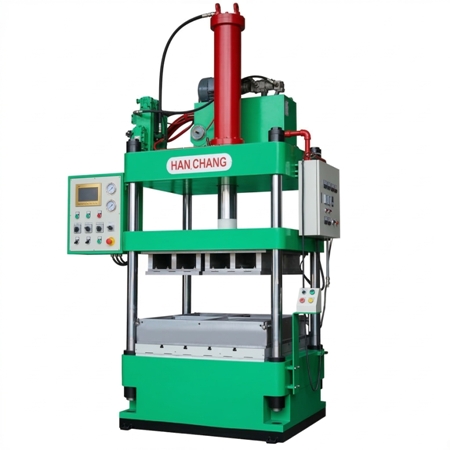
Han Chang’s Rubber Tile Hydraulic Press molds rubber mixed with a binder into floor tiles and mats. It uses rubber and recycled rubber, including feedstock recovered from processed waste tires, to make products such as park safety mats and factory floor mats.
Machine advantages
Operators load the prepared mix and remove the finished tiles by hand, keeping the handling stages straightforward. This press is a practical choice for rubber flooring manufacturers and recyclers ready to turn prepared material into useful, marketable floor tiles.
Give recycled rubber a clear product destination
Rubber tiles connect recovered material with a recognizable flooring product. For businesses with an established source of processed tire rubber, tile production offers a practical direction for moving beyond feedstock supply into finished goods.
Build a flooring range around real uses
Play areas, factory workstations and gym equipment zones offer distinct markets for rubber floor tiles. Matching material, thickness and mold geometry to these uses helps manufacturers build a focused flooring range around what their customers need.
Keep daily production easy to organize
Manual loading and removal give the workflow clear stages. Coordinate weighing, mix distribution, pressing and finished-tile inspection to support consistent quality and improve operating efficiency, with attention on the product at each stage.
Molding and manual operation
Prepare the rubber-and-binder mix
Use rubber feedstock suitable for bonded floor tiles. Waste-tire rubber arrives after upstream processing. Weigh and mix the rubber and binder according to the material supplier’s processing requirements.
Load the mold manually
The operator places the prepared mix into the tile mold. Distribute the charge for the intended tile shape and thickness, including the corners and edges.
Press the tile
Hydraulic pressing forms the mix within the mold while the binder joins the rubber into a tile. Organize the forming conditions around the processing requirements of the selected materials.
Remove and finish
The operator removes the finished tile by hand. Arrange any required further curing, edge finishing and checks of appearance and dimensions before the flooring product moves to delivery.
Materials and floor-mat applications
Molding materials
Rubber feedstock
Rubber suitable for binder-bonded tile production provides the starting point. Choose the material with the intended underfoot feel, tile construction and service environment in mind.
Recycled rubber and crumb
Prepared recycled rubber can be put to use in molded floor tiles. Feedstock consistency, particle distribution and cleanliness matter to mixing, charge distribution and the appearance of the finished surface.
Processed waste-tire rubber
Rubber recovered from waste tires is used after the tires have been processed into suitable feedstock. The tile press handles the forming stage; tire processing and material preparation take place upstream.
Rubber tile binder
The binder holds the rubber together as a flooring product. Its mixing and curing requirements should suit the feedstock and the intended indoor or outdoor use.
Binder chemistry, mixing ratio and cure requirements work together. Where a material calls for heat-assisted processing, temperature, time and the processing arrangement depend on its technical data and the actual equipment conditions.
Rubber tile and floor-mat applications
Parks and play areas | Safety mat tiles
Rubber tiles provide surfacing for areas around park play equipment and community activity spaces. Individual units suit different site layouts and allow localized replacement. Edge transitions, underfoot feel and surface design help manufacturers develop tiles for the intended play area.
Factory work areas | Workstation floor mats
Assembly benches, packing stations and pedestrian areas provide concrete applications for rubber mats over hard floors. Develop the product around standing comfort, repeated foot traffic and cleaning arrangements, so its size and construction suit the work area it is intended to serve.
Gyms and training spaces | Rubber flooring tiles
Gym equipment areas, stretching zones and training spaces use rubber flooring for underfoot contact and floor-protection needs. Tile construction and thickness can be developed for the intended activity, while a modular layout helps organize equipment boundaries and future replacement.
Courtyards and shared spaces | Pedestrian surfacing
Courtyards and communal recreation areas offer another direction for molded rubber tiles. A tiled surface can introduce a different underfoot feel from exposed hard flooring, with units arranged to define walking and resting areas and accommodate perimeter details.
Machine and selection information
Choose a rubber tile making machine around the flooring product you want to manufacture. Tile dimensions, binder processing needs and mold access connect press selection with consistent daily production.
| Specification | Selection considerations |
|---|---|
| Tile dimensions and profile | Length, width, thickness and surface geometry establish the starting point for material quantity and mold design. |
| Mold accommodation | Consider mold footprint, height, mounting and access for manual loading and removal. |
| Pressing requirements | Consider the material’s forming pressure, molding area and tooling structure together. |
| Bonding conditions | Base the process on the selected rubber, binder and their curing requirements. |
| Production workflow | Include mixing, loading, forming, removal and finishing when planning labor and output. |
You can start without a complete machine specification. Send a tile photo or drawing, approximate dimensions, intended use and feedstock details. If you already have a mold, its dimensions will help move the discussion forward.
Material, mold and product requirements
For a recycler entering tile manufacturing, the press is one part of a connected production setup. Account for mixing and charge preparation, tile molds and finishing alongside the forming operation, with a clear product destination such as factory mats or park surfacing.
Select playground tiles for impact attenuation and suitable fall height using test results for the actual surfacing system. Factory, gym and outdoor flooring also needs material, thickness, construction and installation suited to its slip, wear, weather and load requirements. Oil or chemical exposure, electrical insulation and fire requirements call for application-specific material selection and testing.
Share the tile you plan to make with Han Chang, along with its intended use, feedstock and production requirement. Those details provide a useful basis for discussing the rubber tile press, mold accommodation and quotation scope; further factory information can follow during the discussion.
Buyer questions
What does the Rubber Tile Hydraulic Press make?
Han Chang’s Rubber Tile Hydraulic Press forms rubber mixed with a binder into molded floor tiles. Feedstock can include recycled rubber and rubber from processed waste tires. Operators load the mix and remove the finished tiles manually. Park safety mats and factory floor mats are among the intended product applications.
Can I make tiles from recycled tire rubber?
Yes. Use rubber recovered from waste tires after upstream processing into suitable feedstock, then combine it with a binder for tile production. This machine presses the prepared mix into tiles; tire processing takes place before the forming stage.
What is the role of the binder in a rubber crumb tile?
The binder joins the rubber particles into a finished tile, while the mold and pressing operation establish its shape. Material quantity, mixing ratio, charge distribution and cure requirements help govern consistency from tile to tile.
How are the rubber mix and finished tiles handled?
Operators load the prepared mix into the mold and remove the finished tiles by hand. Plan mixing, loading, pressing, removal and finishing as connected operations when arranging workstations and labor.
What should a rubber flooring manufacturer compare before buying?
Compare tile dimensions and construction, rubber feedstock, binder processing requirements, mold size and access for manual handling. These factors connect the press to the flooring you intend to sell, whether it is a factory workstation mat, playground tile or gym floor tile.
What determines the price of a rubber tile making machine?
A meaningful quotation depends on the tile dimensions and construction, pressing requirements, mold accommodation and handling arrangement. Send Han Chang a product photo or drawing, feedstock details and planned production needs to begin. Existing mold dimensions are helpful where available.
Make recycled rubber part of your flooring business
Bring your factory mat, park surfacing or gym tile project to Han Chang. Send a product photo or drawing and your feedstock details to discuss the right Rubber Tile Hydraulic Press and request a quotation.
Reference videos and further reading
- Rubber and silicone film and flash trimming press
- Large single-cylinder hot compression molding press
- Large twin-cylinder hot compression molding press
- Three-cylinder long-platen hot press
- Double-cylinder long-platen hot press
- Guarded hot compression molding press
- Reference video: molding equipment ready to ship
- Reference video: Han Chang factory and equipment introduction
- Reference video: molding machine parts