
Double-Layer Brake Pad Hot Press | Sliding Mold Type
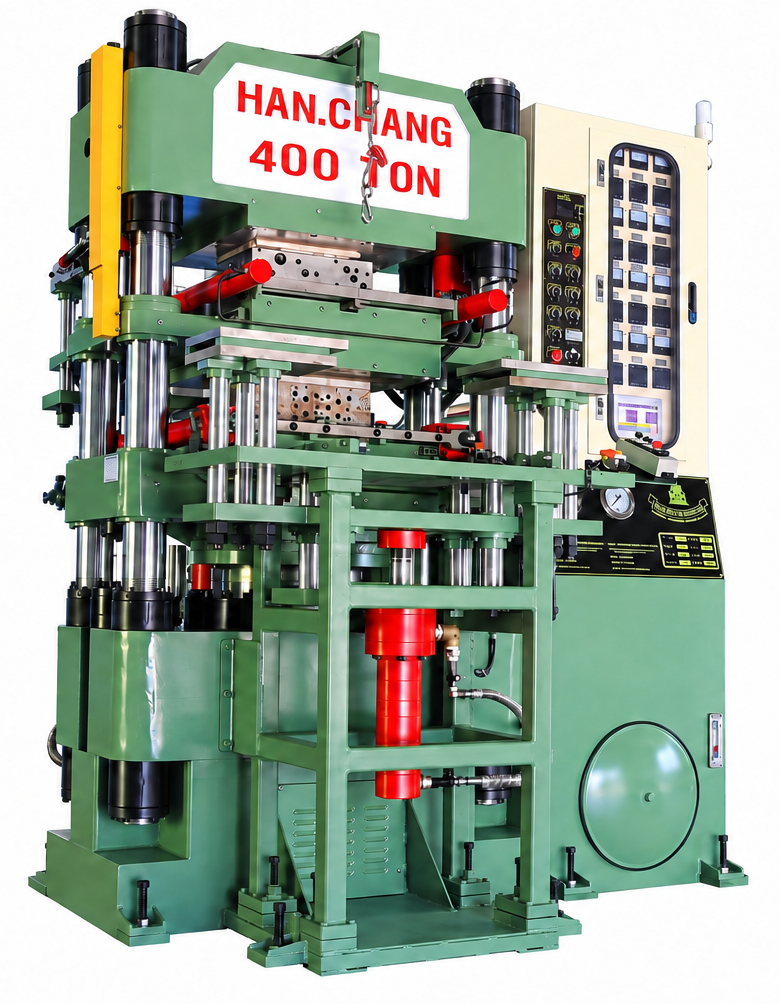
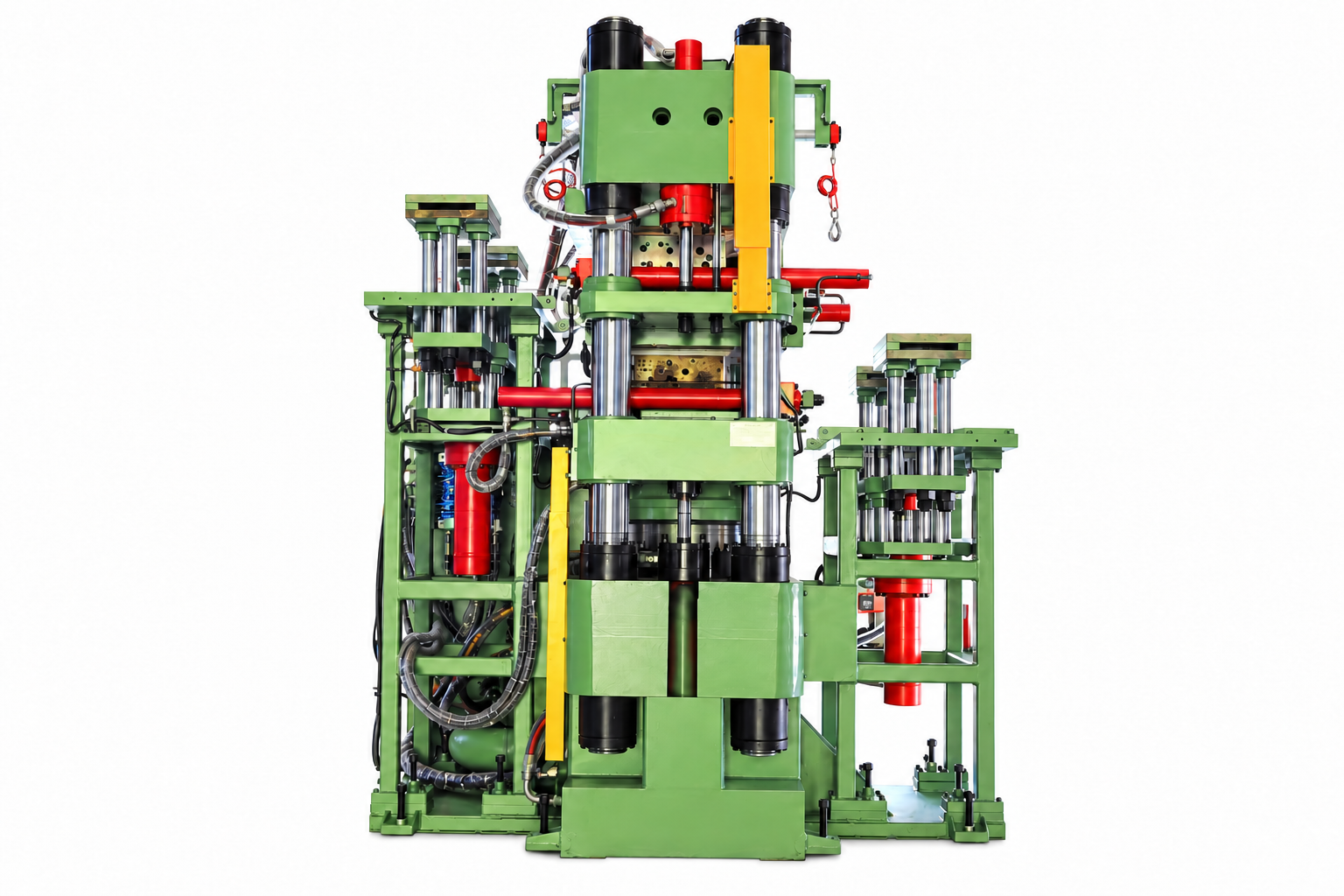
Han Chang manufactures this double-layer sliding mold brake pad moulding machine for hot pressing and curing disc brake pads. Two complete mold sets fit at vertically stacked working levels, while the sliding-mold arrangement brings molded parts out for convenient manual removal and mold cleaning. This compression molding machine is a practical choice for manufacturers who want a two-mold layout with easier access to the work they do after every molding cycle.
Machine advantages
A two-mold layout in one press
The vertically stacked layout accommodates two complete mold sets in one machine. Match the press to the footprint, height and cavity arrangement of your tooling so the equipment choice reflects the disc pads you actually need to manufacture.
Bring finished parts within easier reach
After molding, parts can be moved out to a convenient working position for the operator to remove the pads and clean the molds. Easier access supports efficient handling between molding cycles, making these repeated tasks a central part of the press design rather than an afterthought.
Heat and hydraulic force for consistent molding
In-mold heating and hydraulic compression form the friction compound to the required shape. For hot-press-compatible phenolic-bonded compounds, matching temperature, molding pressure and curing time supports consistent batch quality and prepares the molded pads for subsequent processing.
Two mold sets and accessible unloading
Prepare the compound and mold sets
Prepare the friction compound to the product formulation and load it according to the tooling design, with the two mold sets arranged at the upper and lower working levels. For steel-backed disc pads, coordinate backing-plate placement and the bonding system with the product process.
Hot press and cure in the mold
Apply heat and hydraulic compression, then hold the material under the required molding conditions for curing. Set the process around the actual compound, pad thickness and tooling requirements.
Move parts out for manual removal
After molding, move the parts out to the accessible handling position. The operator removes the brake pads and cleans the molds, preparing the work area for the next loading and molding cycle.
Disc brake pad production
Batch molding of disc brake pads
Use the press for the hot-molding stage of disc brake pad manufacture, where tooling defines the friction block’s shape and thickness. Steel-backed products require the backing plate and bonding process to work with the mold design. The two-level layout accommodates the mold sets, and slide-out access helps operators remove parts and clean the tooling after molding.
Ceramic, semi-metallic and non-asbestos compounds
Hot-press-compatible phenolic-bonded formulations provide a starting point for ceramic, semi-metallic and non-asbestos disc pad projects. The resin binds fibers, fillers and friction modifiers into the molded component. Match the heating and molding load to the actual formulation and tooling to connect material requirements with the production process.
Specifications and model selection
Compare press force, platen dimensions, opening, stroke and heater power across the model specifications below. Heater power is shown as the listed value × 2 for this double-layer configuration.
Spec / Type HCBR-100
| Clamping force (Ton) | 100 |
|---|---|
| Plate size (m/m) | 540×605 |
| Cylinder diameter (m/m) | 265 |
| Stroke (m/m) | 460 |
| Daylight (m/m) | 690 |
| Pump pressure (kg/cm2) | 210 |
| Motor (HP) | 5 |
| Heater capacity (Kw) | 10.6 × 2 |
| Oil reservoir capacity (gallon) | 100 |
| Machine size LxWxH (m/m) | 1940x1200x2370 |
| Net weight approx (kg) | 3700 |
Spec / Type HCBR-150
| Clamping force (Ton) | 150 |
|---|---|
| Plate size (m/m) | 660×620 |
| Cylinder diameter (m/m) | 300/315 |
| Stroke (m/m) | 480 |
| Daylight (m/m) | 700 |
| Pump pressure (kg/cm2) | 210 |
| Motor (HP) | 7.5 |
| Heater capacity (Kw) | 10.6 × 2 |
| Oil reservoir capacity (gallon) | 100 |
| Machine size LxWxH (m/m) | 2030x1350x2370 |
| Net weight approx (kg) | 4000 |
Spec / Type HCBR-200
| Clamping force (Ton) | 200 |
|---|---|
| Plate size (m/m) | 660×620
720×720 |
| Cylinder diameter (m/m) | 368 |
| Stroke (m/m) | 500 |
| Daylight (m/m) | 820 |
| Pump pressure (kg/cm2) | 210 |
| Motor (HP) | 10 |
| Heater capacity (Kw) | 15.2 × 2 |
| Oil reservoir capacity (gallon) | 120 |
| Machine size LxWxH (m/m) | 2300x1350x2670 |
| Net weight approx (kg) | 4500
6000 |
Spec / Type HCBR-250
| Clamping force (Ton) | 250 |
|---|---|
| Plate size (m/m) | 720×720 |
| Cylinder diameter (m/m) | 400 |
| Stroke (m/m) | 520 |
| Daylight (m/m) | 810 |
| Pump pressure (kg/cm2) | 210 |
| Motor (HP) | 10 |
| Heater capacity (Kw) | 18.8 × 2 |
| Oil reservoir capacity (gallon) | 150 |
| Machine size LxWxH (m/m) | 2410x1350x2780 |
| Net weight approx (kg) | 6800 |
Spec / Type HCBR-300
| Clamping force (Ton) | 300 |
|---|---|
| Plate size (m/m) | 630×630
720×720 900×860 |
| Cylinder diameter (m/m) | 450 |
| Stroke (m/m) | 560 |
| Daylight (m/m) | 810 |
| Pump pressure (kg/cm2) | 210 |
| Motor (HP) | 15 |
| Heater capacity (Kw) | 20 × 2 |
| Oil reservoir capacity (gallon) | 200 |
| Machine size LxWxH (m/m) | 2480x1490x2945 |
| Net weight approx (kg) | 6500
7500 9500 |
Spec / Type HCBR-400
| Clamping force (Ton) | 400 |
|---|---|
| Plate size (m/m) | 630×630 |
| Cylinder diameter (m/m) | 500 |
| Stroke (m/m) | 560 |
| Daylight (m/m) | 950 |
| Pump pressure (kg/cm2) | 210 |
| Motor (HP) | 15 |
| Heater capacity (Kw) | 27 × 2 |
| Oil reservoir capacity (gallon) | 250 |
| Machine size LxWxH (m/m) | 2580x1500x3800 |
| Net weight approx (kg) | 6800
8000 10000 |
Spec / Type HCBR-500
| Clamping force (Ton) | 500 |
|---|---|
| Plate size (m/m) | 800×800
900×900 |
| Cylinder diameter (m/m) | 560 |
| Stroke (m/m) | 580 |
| Daylight (m/m) | 1000 |
| Pump pressure (kg/cm2) | 210 |
| Motor (HP) | 15 |
| Heater capacity (Kw) | 30 × 2 |
| Oil reservoir capacity (gallon) | 250 |
| Machine size LxWxH (m/m) | 2810x1705x3135 |
| Net weight approx (kg) | 10000
13500 |
Spec / Type HCBR-600
| Clamping force (Ton) | 600 |
|---|---|
| Plate size (m/m) | 1000×1000 |
| Cylinder diameter (m/m) | 620 |
| Stroke (m/m) | 610 |
| Daylight (m/m) | 1020 |
| Pump pressure (kg/cm2) | 210 |
| Motor (HP) | 20 |
| Heater capacity (Kw) | 30 × 2 |
| Oil reservoir capacity (gallon) | 300 |
| Machine size LxWxH (m/m) | 3000x1750x4100 |
| Net weight approx (kg) | 14000
16500 |
Spec / Type HCBR-800
| Clamping force (Ton) | 800 |
|---|---|
| Plate size (m/m) | 1800×1400 |
| Cylinder diameter (m/m) | 700 |
| Stroke (m/m) | 700 |
| Daylight (m/m) | 1060 |
| Pump pressure (kg/cm2) | 210 |
| Motor (HP) | 30 |
| Heater capacity (Kw) | 40 × 2 |
| Oil reservoir capacity (gallon) | 355 |
| Machine size LxWxH (m/m) | 3220x1850x4350 |
| Net weight approx (kg) | 26000 |
Start with your disc pad and the two mold sets. Tool footprint, height and mounting determine the space needed; compound molding pressure, cavity arrangement and tooling loads guide force selection. Include the slide-out handling area, mold-cleaning access and factory power supply in the discussion. A product photo or existing mold drawing is enough to start—you do not need to choose the tonnage first.
Production planning and equipment
Send Han Chang the mold drawings, current press details or workstation photos you already have. We can discuss how the two mold sets, installation needs and operator handling fit together, helping you select equipment around everyday production work.
Han Chang also provides brake pad production-line equipment supply services. Discuss an existing-line connection or a new line alongside this double-layer press, with the machine and line-equipment supply scope clearly defined for quotation and purchasing.
Buyer questions
What does double-layer mean on this brake pad hot press?
Double-layer means two vertically stacked working levels, each accommodating a complete mold set. Han Chang combines this two-mold layout with slide-out access so operators can remove the molded disc brake pads and clean the molds before the next production cycle.
Which brake pads and friction compounds is the press intended for?
This press is intended for disc brake pads, not drum brake linings. Material discussions can start with hot-press-compatible phenolic-bonded friction compounds for ceramic, semi-metallic and non-asbestos disc pads. The actual formulation, backing plate and tooling guide the heating and molding conditions.
How are the pads removed and the molds cleaned?
After molding, the parts can be moved out to a convenient handling position. The operator then removes the brake pads and cleans the molds. Allowing space for part collection and mold cleaning helps connect this handling stage with preparation for the next cycle.
How should I match two mold sets to the press specifications?
Start with each mold set’s footprint, height, mounting and cavity layout. Use the compound’s molding-pressure requirements and tooling loads to select the press force, then match platen size, opening, stroke and heating to the complete tooling arrangement. Han Chang can work from existing drawings and state the supplied configuration in the quotation.
How do I plan output for a double-layer brake pad press?
Use the parts per mold set and the complete production cycle, including loading, hot pressing and curing, slide-out handling, part removal and mold cleaning. The double-layer design provides a two-mold arrangement; actual compound, tooling and operator task times make the output plan relevant to daily production.
What do I need to request a brake pad press quotation?
Start with a disc pad photo, dimensions, compound information or details of your current equipment. If available, add the mold drawings, cavity counts and target output. Han Chang can then discuss the press, heating, tooling fit and supply scope so you can compare equipment quotations on a clear basis.
Put your disc pad tooling at the center of the press selection
Send Han Chang a product photo or mold drawing to discuss the double-layer sliding-mold press and request a quote. Tell us about your current hot-press station or planned production line—we can begin with the information you already have.