
Multi-Layer EVA Foaming / Rubber Compression Molding Press
Han Chang’s multi-layer EVA foaming machine combines stacked heated platens with very rapid, simultaneous mold opening for EVA foam sheets, footwear materials and cushioning products. This compression molding machine also processes suitable rubber foaming compounds.
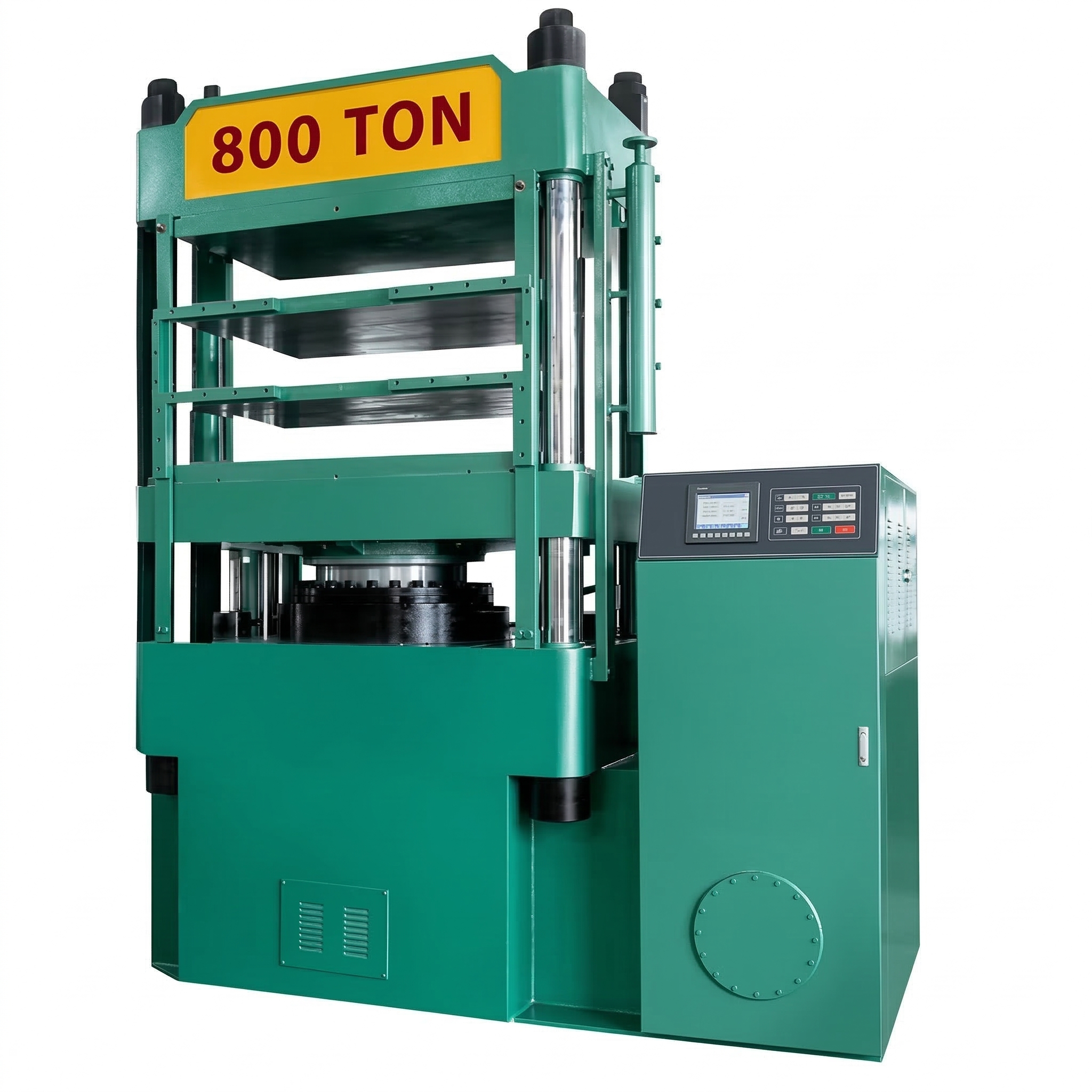
Machine advantages
Multiple mold sets share a vertically arranged press structure for heating and pressure holding. The molds at every working level then open together to allow foaming compound to expand. This multi-daylight layout suits manufacturers looking to organize sheet and molded-foam production around multiple mold sets in one press, including suitable rubber foaming compounds.
Put multiple mold sets to work in one press
The vertically stacked platen arrangement provides working positions for multiple mold sets within one machine. It is a practical choice for factories planning EVA sheet or molded-foam production around a multi-level tooling layout.
Open every mold level rapidly together
After heating and pressure holding, the mold sets at all levels open very rapidly and simultaneously. This releases the restraint on the foaming compound so it can expand, linking the multi-daylight structure to the opening action required by the foaming process.
Serve sheet, footwear and cushioning production
EVA foam sheets can feed downstream footwear and pad-making operations, while suitable rubber foaming compounds extend the material options for compression molding. Product dimensions, hardness and density provide a useful starting point for choosing the compound and tooling.
Match press force and working space to your molds
Different tonnage, platen and opening specifications support selection around the actual tooling. Account for mold height, expansion clearance and manual access at each level so the selected press fits both the product and the way operators handle it.
EVA compression foaming process
1. Load the foaming compound manually
The operator places prepared EVA or suitable rubber foaming compound into the molds at each working level, following the tooling and charge requirements.
2. Close, heat and hold pressure
The molds close, the heated platens supply heat, and the press maintains the required molding pressure. Heating and holding conditions follow the compound, charge and product requirements.
3. Open all mold levels rapidly together
The mold sets at every working level open very rapidly and simultaneously, releasing the restraint on the foaming compound and allowing it to expand.
4. Remove the foam products manually
The operator removes the expanded products from each level, passes them to the required downstream operations and prepares for the next charge.
Materials and production applications
EVA foam sheets
Produce EVA foam sheets for footwear, pad and cushioning-product fabrication. Compound is heated under pressure in the molds before rapid opening releases its expansion. Stacked heated platens bring multiple sheet molds into one press, with simultaneous opening across the working levels for batch production. Once foamed, the sheet stock can be cut to the shapes needed for different orders, separating foam production from downstream product fabrication.
Footwear materials and cushioning pads
EVA sheet stock from the press can feed downstream production of insoles, footwear pads and product-cushioning inserts. This suits footwear manufacturers and foam converters adding the foaming stage ahead of their existing fabrication equipment. Sheet thickness, hardness and density follow the end use; cutting, trimming or shaping then creates the required components. Batch foam production can supply different finished-part shapes, bringing material production and order-specific fabrication into one coordinated workflow.
Rubber foaming compounds
Process suitable rubber foaming compounds into rubber foam pads, cushioning materials and pad stock. Heated platens and hydraulic pressure holding provide the in-mold processing stage, followed by rapid opening to accommodate expansion of the foaming compound. The multi-level layout gathers multiple mold sets in one press. Choose formulation and conditions around the required hardness, density and expansion, then integrate the foamed material with existing cutting and fabrication operations.
Specifications and selection
Compare HCD-300, HCD-500 and HCD-800, with listed molding forces of 300, 500 and 800 Ton respectively. The model tables provide platen dimensions, stroke, maximum opening, heating power, drive requirements and machine dimensions for tooling and factory planning.
Spec / Type HCD-300
| Clamping force (Ton) | 300 |
|---|---|
| Plate size (m/m) | 900×860 |
| Cylinder diameter (m/m) | 450 |
| Stroke (m/m) | 830 |
| Daylight (m/m) | 1400 |
| Pump pressure (kg/cm2) | 210 |
| Motor (HP) | 15 |
| Heater capacity (Kw) | 9.8×4 |
| Oil reservoir capacity (gallon) | 200 |
| Machine size LxWxH (m/m) | 2480x1490x3810 |
| Net weight approx (kg) | 16200 |
Spec / Type HCD-500
| Clamping force (Ton) | 500 |
|---|---|
| Plate size (m/m) | 1140×1100 |
| Cylinder diameter (m/m) | 560 |
| Stroke (m/m) | 920 |
| Daylight (m/m) | 1500 |
| Pump pressure (kg/cm2) | 210 |
| Motor (HP) | 15 |
| Heater capacity (Kw) | 13.4×4 |
| Oil reservoir capacity (gallon) | 250 |
| Machine size LxWxH (m/m) | 2810x1705x4035 |
| Net weight approx (kg) | 22200 |
Spec / Type HCD-800
| Clamping force (Ton) | 800 |
|---|---|
| Plate size (m/m) | 1800×1400 |
| Cylinder diameter (m/m) | 700 |
| Stroke (m/m) | 1400 |
| Daylight (m/m) | 1800 |
| Pump pressure (kg/cm2) | 210 |
| Motor (HP) | 40 |
| Heater capacity (Kw) | 24.8×4 |
| Oil reservoir capacity (gallon) | 578 |
| Machine size LxWxH (m/m) | 3560x2080x5256 |
| Net weight approx (kg) | 30000 |
Start with mold footprint and height, then allow for foam expansion and manual loading and removal at each level. Discuss the listed maximum opening and the space required at each working level separately during selection. Tonnage describes force; the required molding pressure must be considered together with the loaded mold area. A product drawing or existing mold details are enough to start the selection discussion.
Tooling and equipment quotations
Send a mold photo, footprint or height to Han Chang. We can discuss the platen layout, working-level clearance and handling arrangement around your current production setup.
Start with the material and product you want to make, then add target output, factory voltage and installation space as the discussion develops. Pricing follows the selected model and configuration; you do not need to settle the tonnage before making an inquiry.
Buyer questions
What does multi-layer or multi-daylight mean on this press?
Multi-layer or multi-daylight describes vertically stacked mold working spaces between heated platens, allowing multiple mold sets in one press. The molds are heated and held under pressure, then open very rapidly together to accommodate foam expansion. The actual working-level and mold arrangement is selected around the platen configuration, tool dimensions and loading and removal access.
Why do all mold levels open rapidly at the same time?
Foaming compound expands as mold pressure is released. The press opens the mold sets at all working levels very rapidly and simultaneously to accommodate this expansion. Simultaneous opening refers to the mold sets across the stacked working levels.
How is this different from an EVA injection molding machine?
Prepared compound is loaded into the molds manually, followed by mold closing, heating and pressure holding. All levels then open rapidly together for foam expansion, and the operator removes the products. This is compression foaming, not injection feeding.
Can the press process rubber foaming compounds as well as EVA?
Yes, it can process suitable rubber foaming compounds by hot compression molding for applications such as foam pads and cushioning materials. Whether rubber foams and how it expands depend on its formulation. Share the material data or a sample to discuss the appropriate process for your product.
How should I choose tonnage, platen size and opening space?
Match the platen to the mold footprint and the clearance at each level to mold height, foam expansion and operator access. Select molding force using the pressure required by the compound and the loaded mold area. Consider maximum press opening separately from individual working-level clearance, rather than selecting by total tonnage alone.
How many mold sets can a multi-daylight press accommodate?
The mold count depends on the actual platen arrangement, working-level configuration and mold dimensions. Cavities within each mold determine how many individual products that mold makes. Include the intended mold count and access for loading and removal when discussing the configuration.
How do I estimate output from a multi-layer foaming press?
Build the cycle estimate from the installed mold sets, products per mold, heating and holding time, and manual loading and removal at each level. The multi-layer structure provides multiple tooling positions; downstream cutting or shaping must also be included in the production plan.
How can I request an EVA foam press quotation?
Contact Han Chang through the website inquiry form, Email or WhatsApp with a product photo, drawing or material requirement. Add mold footprint and height if tooling is available, then target output and factory conditions. The equipment quotation follows the selected press model, platen arrangement and tooling configuration.
Plan your multi-layer foam press around the product
Send Han Chang a product drawing, photo or existing mold details. Tell us the material and foam product you want to make, and we can discuss platen size, working-level space and a suitable press configuration for your quotation.
Official video and technical information
Official reference videos introduce Han Chang compression molding equipment and machine components.
Hydraulic Compression Molding Machines Ready to Ship | Han Chang Taiwan Factory
Taiwan Hydraulic Compression Molding Machine Manufacturer | Han Chang Machinery


-80x80.jpg)