
Multi-Layer Brake Pad Molding Machine
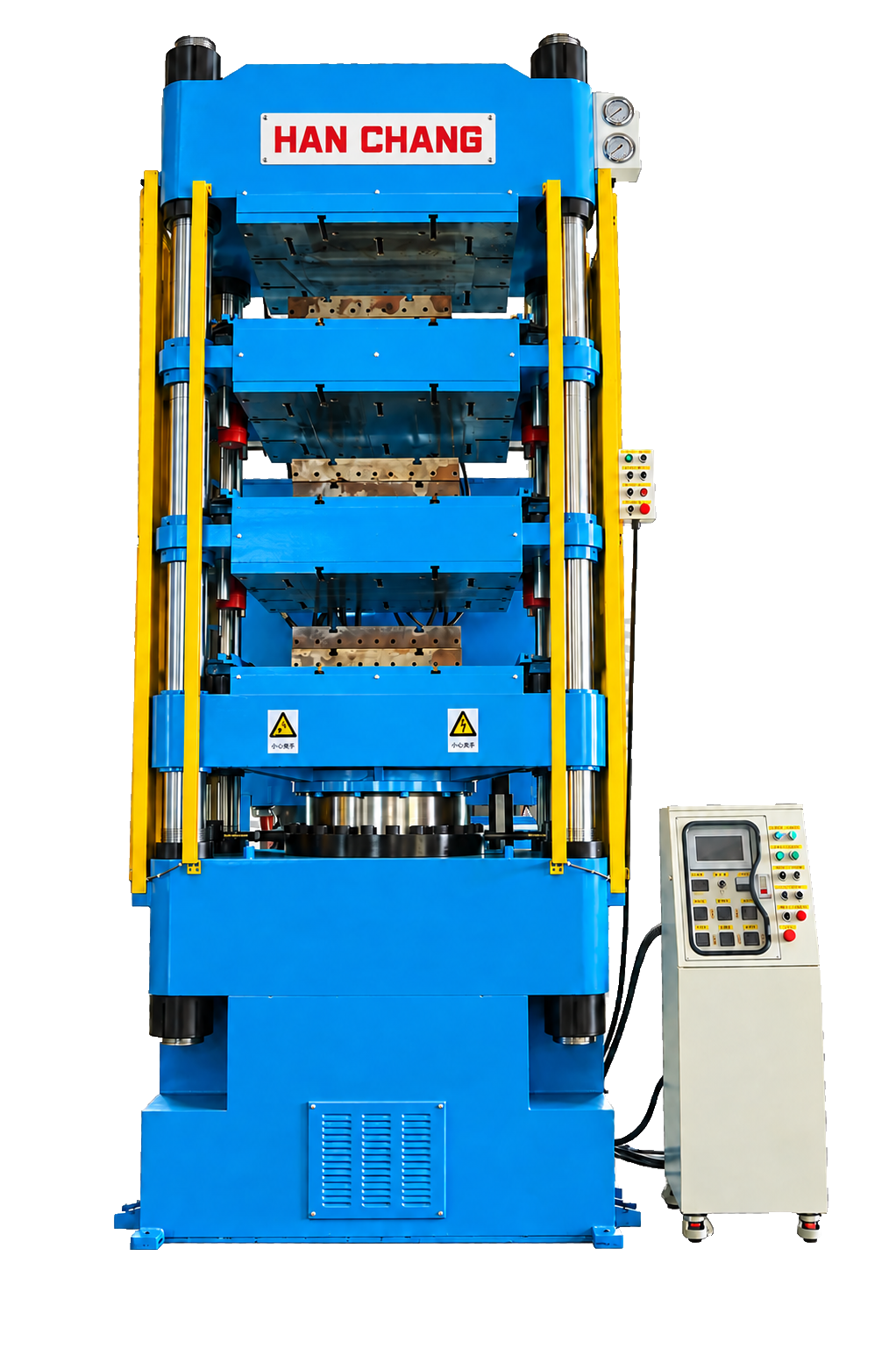
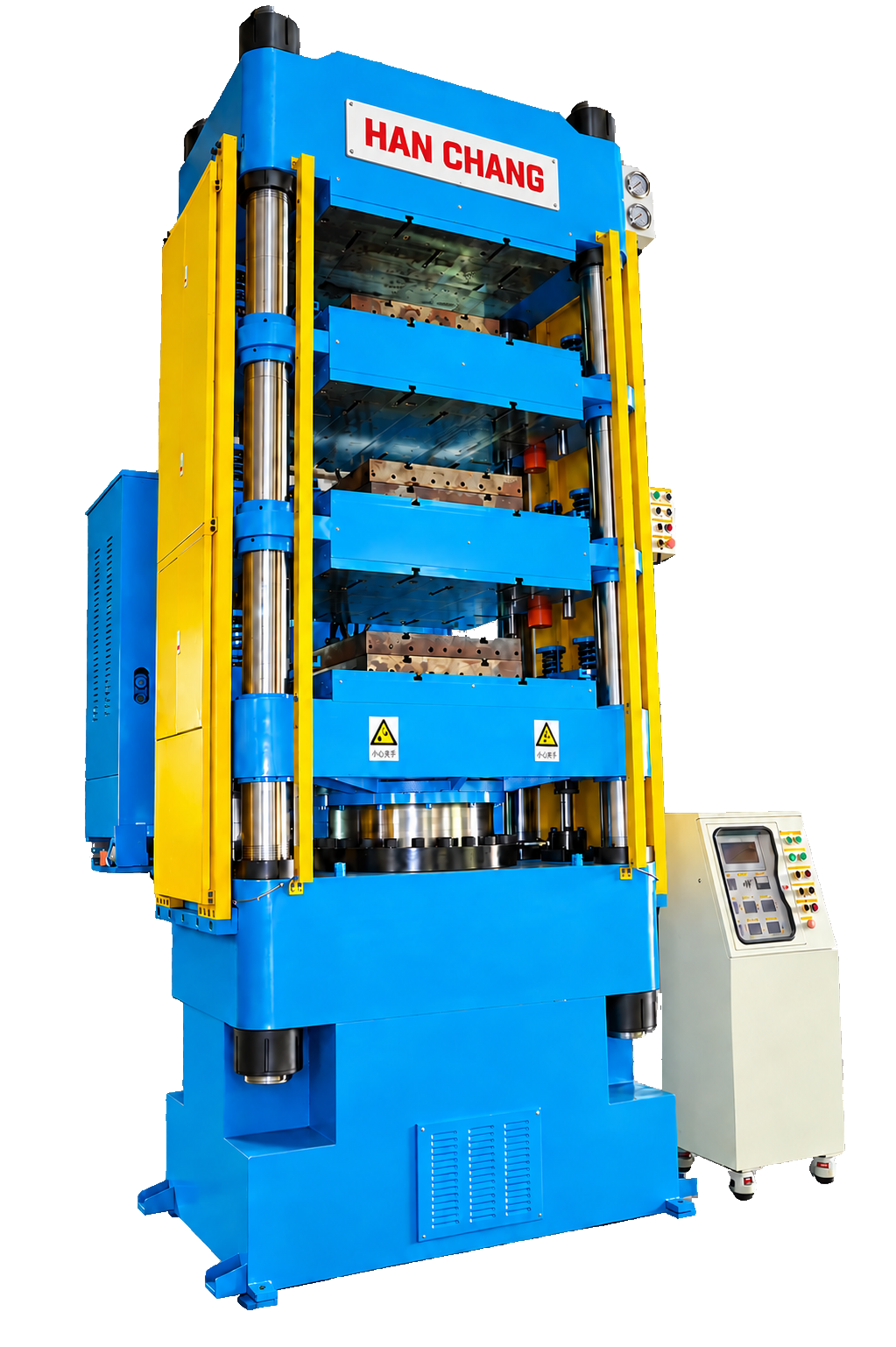
Han Chang Machinery’s Multi-Layer Brake Pad Molding Machine uses vertically stacked tooling levels for high-output disc brake pad production. It is a practical choice for manufacturers adding batch molding capacity.
Machine advantages
Match the multi-layer arrangement to your tooling and production target, then select the forming force and working space that fit the job.
Increase disc pad output through multi-layer molding
Stacked tooling levels bring multi-layer disc pad production into one machine. For manufacturers with ongoing disc pad orders, this arrangement offers a strong reason to choose a multi-layer press when adding batch molding capacity.
Choose force and tooling space together
Seven detailed models, from HCBR200T to HCBR800T, support a practical equipment comparison. Match force to the molding requirement, platen dimensions to the tool footprint, and daylight and stroke to mold height and part-removal space.
Plan equipment installation from detailed specifications
Pump motor power, electric-heating capacity, oil reservoir capacity, machine dimensions and weight are listed for each model. These figures help purchasing and production teams compare equipment configurations and plan factory power, floor layout and delivery access.
Production applications
Repeat batches of disc brake pads
For repeat pad designs, plan around parts per mold, the tooling arrangement and the complete molding cycle. Align material preparation and downstream processing with the molding stage to put the machine’s multi-layer output advantage to useful work against the required shift volume.
Tooling selection for a range of pad designs
When planning several disc pad products, compare each mold’s footprint, height and removal-space requirements with the machine’s platen, daylight and stroke. Considering tool changes alongside these dimensions helps select equipment around the product mix your factory intends to make.
Specifications and model selection
Compare HCBR200T, HCBR250T, HCBR300T, HCBR400T, HCBR500T, HCBR600T and HCBR800T. Expand each model for the complete specifications, including total force, platen dimensions, stroke, daylight, power requirements and machine dimensions.
Model HCBR200T
| Clamping force (Ton) | 200 |
|---|---|
| Plate size (m/m) | 660×620
720×720 |
| Cylinder diameter (m/m) | 368 |
| Stroke (m/m) | 500 |
| Daylight (m/m) | 820 |
| Pump pressure (kg/cm2) | 210 |
| Motor (HP) | 10 |
| Heater capacity (Kw) | 15.2 |
| Oil reservoir capacity (gallon) | 120 |
| Machine size LxWxH (m/m) | 2300x1350x2670 |
| Net weight approx (kg) | 4500
6000 |
Model HCBR250T
| Clamping force (Ton) | 250 |
|---|---|
| Plate size (m/m) | 720×720 |
| Cylinder diameter (m/m) | 400 |
| Stroke (m/m) | 520 |
| Daylight (m/m) | 810 |
| Pump pressure (kg/cm2) | 210 |
| Motor (HP) | 10 |
| Heater capacity (Kw) | 18.8 |
| Oil reservoir capacity (gallon) | 150 |
| Machine size LxWxH (m/m) | 2410x1350x2780 |
| Net weight approx (kg) | 6800 |
Model HCBR300T
| Clamping force (Ton) | 300 |
|---|---|
| Plate size (m/m) | 630×630
720×720 900×860 |
| Cylinder diameter (m/m) | 450 |
| Stroke (m/m) | 560 |
| Daylight (m/m) | 810 |
| Pump pressure (kg/cm2) | 210 |
| Motor (HP) | 15 |
| Heater capacity (Kw) | 20 |
| Oil reservoir capacity (gallon) | 200 |
| Machine size LxWxH (m/m) | 2480x1490x2945 |
| Net weight approx (kg) | 6500
7500 9500 |
Model HCBR400T
| Clamping force (Ton) | 400 |
|---|---|
| Plate size (m/m) | 630×630 |
| Cylinder diameter (m/m) | 500 |
| Stroke (m/m) | 560 |
| Daylight (m/m) | 950 |
| Pump pressure (kg/cm2) | 210 |
| Motor (HP) | 15 |
| Heater capacity (Kw) | 27 |
| Oil reservoir capacity (gallon) | 250 |
| Machine size LxWxH (m/m) | 2580x1500x3800 |
| Net weight approx (kg) | 6800
8000 10000 |
Model HCBR500T
| Clamping force (Ton) | 500 |
|---|---|
| Plate size (m/m) | 800×800
900×900 |
| Cylinder diameter (m/m) | 560 |
| Stroke (m/m) | 580 |
| Daylight (m/m) | 1000 |
| Pump pressure (kg/cm2) | 210 |
| Motor (HP) | 15 |
| Heater capacity (Kw) | 30 |
| Oil reservoir capacity (gallon) | 250 |
| Machine size LxWxH (m/m) | 2810x1705x3135 |
| Net weight approx (kg) | 10000
13500 |
Model HCBR600T
| Clamping force (Ton) | 600 |
|---|---|
| Plate size (m/m) | 1000×1000 |
| Cylinder diameter (m/m) | 620 |
| Stroke (m/m) | 610 |
| Daylight (m/m) | 1020 |
| Pump pressure (kg/cm2) | 210 |
| Motor (HP) | 20 |
| Heater capacity (Kw) | 30 |
| Oil reservoir capacity (gallon) | 300 |
| Machine size LxWxH (m/m) | 3000x1750x4100 |
| Net weight approx (kg) | 14000
16500 |
Model HCBR800T
| Clamping force (Ton) | 800 |
|---|---|
| Plate size (m/m) | 1800×1400 |
| Cylinder diameter (m/m) | 700 |
| Stroke (m/m) | 700 |
| Daylight (m/m) | 1060 |
| Pump pressure (kg/cm2) | 210 |
| Motor (HP) | 30 |
| Heater capacity (Kw) | 40 |
| Oil reservoir capacity (gallon) | 355 |
| Machine size LxWxH (m/m) | 3220x1850x4350 |
| Net weight approx (kg) | 26000 |
Forming force serves the molding requirement; platen dimensions define the tool-installation area; daylight and stroke need to accommodate mold height and opening space. Motor power, electric-heating capacity and overall dimensions also support factory installation planning.
Where a model lists several dimensions or weights, the equipment quotation should identify the figures for the selected configuration. Start with a pad drawing or existing-mold information; Han Chang can help compare tooling space, force and the output you need before you choose a model.
Buyer questions
What does multi-layer mean on this brake pad molding machine?
Han Chang’s Multi-Layer Brake Pad Molding Machine positions tooling at vertically stacked production levels. The arrangement supports high-output disc pad manufacturing through multi-layer molding and is a practical choice for factories adding batch capacity.
What brake products is the machine designed to make?
The machine is designed for disc brake pad molding, including batch production and capacity expansion for disc pad manufacturers. It is not intended for drum brake linings. Pad geometry, tooling dimensions and planned output provide the starting point for equipment selection.
How do I select tonnage and platen size?
Match available force to the molding job, then compare platen dimensions, maximum daylight and stroke with the tooling. The seven detailed models from HCBR200T to HCBR800T provide figures for reviewing mold footprint, height and part-removal space. Send Han Chang a pad drawing or existing-mold information to begin selection.
How should I plan output for multi-layer disc pad production?
Multi-layer molding is the machine’s main high-output advantage. Plan around the layer configuration, parts per mold, complete molding cycle and material-handling time. Compare these conditions with the required shift output, material preparation and downstream processing to build a production-based equipment comparison.
Should I choose multi-layer or multi-station equipment?
A multi-layer machine organizes disc pad tooling vertically. Han Chang’s multi-station machine uses six closely spaced workstations to help one operator move between station tasks with less walking. Choose the arrangement around your tooling, operator workflow and production target, then compare the specifications for that machine type.
Do I need to choose a model before requesting a quotation?
No. Start with a disc brake pad photo or drawing, available tooling information and your production target. Han Chang can help compare forming force, mold space and equipment specifications before discussing a quotation for the selected configuration.
Plan higher disc pad output with multi-layer molding
Send Han Chang your disc pad drawing, product photo or capacity target. Discuss a multi-layer brake pad molding press for your production needs and request an equipment quotation.