
Single-Layer Urea Toilet Seat Molding Machine for UF Washbasins: Match the Tool to the Press
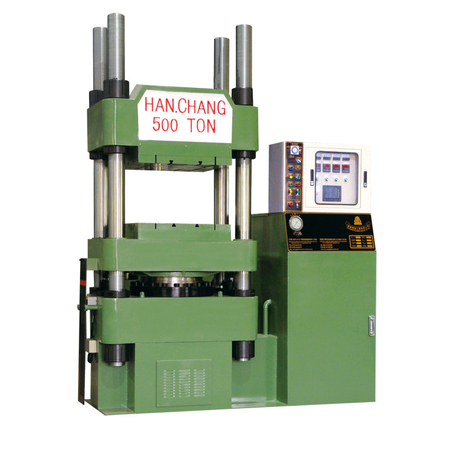
Han Chang’s Single-Layer Urea Toilet Seat Molding Machine is not limited to seat rings and lids. With the corresponding tool, this hydraulic compression press also molds UF/UMC washbasins and other thermoset sanitary parts. One working level accommodates one mold set, keeping manual loading, heated-platen compression, hydraulic pressure holding and manual unloading centered on one clear production station.
UF washbasin RFQ: connect the part to a workable press
For a sanitary-ware factory evaluating a urea toilet seat moulding machine for basin production, the practical question is not simply, “How many tons?” A basin tool must fit the platen, its height must suit the press daylight, the stroke must support opening, and the finished basin must have a workable removal path. Matching those conditions before purchase gives the press a real job to perform instead of selecting a large tonnage that may still be awkward for the mold.
Why a Machine Named for Toilet Seats Can Mold UF/UMC Washbasins
The machine is built around the hot compression molding requirements of UF/UMC urea-formaldehyde molding compound. A toilet seat ring, lid or washbasin uses a corresponding mold; the tool creates the part geometry while the press supplies heated platens, hydraulic compression and pressure holding. Programmable degassing is adjusted to the compound and tool requirements.
For a washbasin, the mold forms the bowl recess, surrounding rim and overall sanitary-part profile. That geometry changes the tooling package and the clearance required after opening, but it does not turn the job into an unrelated process. It remains UF/UMC compression molding with the machine selected around the actual product and mold.
This is why the product name should not narrow the buying decision. A single-layer UF/UMC compression molding press is a strong option for manufacturers that already have a basin design, sample or tool and want one dedicated molding station for that product. Actual temperature, pressure, venting and holding settings still depend on the compound, part and tooling trial; Han Chang does not apply one fixed recipe to every basin.
One Working Level Creates a Clear Station for One Basin Tool
“Single-layer” describes the press layout: one working level with one mold set. It does not mean that the molded basin has one material layer, and it does not automatically define how many cavities the tool contains.
The operating sequence is organized around that mold set. The operator loads UF/UMC compound into the heated tool, starts the cycle, and the press performs compression, degassing and pressure holding. After the mold opens, the operator removes the part. For factories planning batch production around one basin design, this keeps loading, molding and unloading in one clearly defined station.
A Mitsubishi PLC, Fuji Electric touchscreen and recipe/parameter memory are standard. When the same product, mold and compound return to production, operators can recall established settings as the starting point and avoid re-entering every parameter. Saved data is not automatic approval for a changed compound, revised tool or different part; the recalled conditions must still be checked against the current production setup.
Four Fit Checks Before Selecting a Washbasin Press
1. Calculate press force from the part and compound
Press force depends on the molding-pressure requirement of the UF/UMC compound, the projected area of the basin and the cavity layout. A higher tonnage is not automatically better. The job should determine the force requirement, not the model badge alone.
2. Fit the complete tool within the platen area
Basin dimensions and the surrounding rim affect the tool footprint. Buyers should provide the mold length, width, fastening arrangement and heating requirements. The complete mold must fit within the usable platen space with room for installation and operation.
3. Match basin depth and mold height to daylight and stroke
A washbasin has a defined recess, so basin depth and mold construction can create a taller tooling package than a relatively flat sanitary part. Mold closed height, press daylight, stroke and the open position must be considered together. A tool that fits across the platen can still be unsuitable if it cannot open far enough for safe part removal.
4. Plan the removal direction before the press is fixed
The operator removes the molded part manually. The team should identify which side the operator approaches, how the basin leaves the tool, and whether the machine frame, mold and surrounding equipment provide enough clearance. This is especially important for deeper or larger basin profiles. A clear removal path keeps the operator’s approach and part-removal movement practical in daily production.
Who Should Consider This Single-Layer Press?
This single-layer urea toilet seat molding machine is particularly relevant for manufacturers that:
- already have a UF/UMC washbasin drawing, sample or mold;
- organize production around one mold set and want a clear loading, molding and unloading station;
- make toilet seat rings, lids, washbasins or other UF/UMC thermoset sanitary parts within the same material family;
- want platen size, daylight, stroke, heater capacity and plant space evaluated together rather than buying by tonnage alone;
- need to check whether an existing basin tool can be installed and removed safely; or
- are preparing a comparable RFQ based on the part, tool and factory conditions.
If the project requires two mold sets operating in upper and lower working levels, buyers should compare Han Chang’s double-layer models instead. This article recommends the single-layer arrangement when one working level and one mold set match the planned production method. The Urea Toilet Seat Molding Machine series provides the family comparison.
Choose HCB-300, 400, 500 or 600 from the Tooling Package
Han Chang’s current single-layer range includes HCB-300, HCB-400, HCB-500 and HCB-600. The models differ in press force, platen dimensions, daylight, stroke, heater capacity and machine size. These specifications are selection data; they are not fixed claims for basin size, cycle time or output.
A useful washbasin RFQ should include:
- a product photo, 2D/3D drawing, overall dimensions, weight, basin depth and visible-surface requirements;
- UF/UMC compound information and any established molding conditions;
- mold length, width, height, weight, cavity layout, fastening and heating arrangement;
- the required opening and removal direction, operator position and available handling space;
- target production, plant voltage and frequency, and available floor area.
Han Chang can then work from compound molding pressure and projected part area to the required press force, followed by platen fit, mold height, daylight, stroke, heater capacity and removal clearance. If the project is still at the product-development stage, a drawing or sample photo is enough to begin the discussion. If a tool already exists, its overall dimensions make press matching more direct. For broader planning, see how to evaluate UF toilet seat molding equipment by material, mold and line layout.
Buy a Press That Fits the Basin Tool—and Lets the Operator Remove the Part
For UF/UMC washbasin production, the right machine is not simply the largest available press. The mold must sit correctly on the platen, the press must open far enough, the removal direction must be workable, and the heating and pressure configuration must suit the compound and part. Han Chang’s single-layer UF toilet seat molding machine brings these requirements into one practical workstation for one mold set.
Contact Han Chang for a washbasin press recommendation and RFQ. Send the basin drawing or sample, UF/UMC compound, mold dimensions and factory conditions. We can compare the HCB-300 to HCB-600 range and recommend a press configuration based on the actual tool—not on a generic tonnage assumption.